
Managed Network Services: What They Include, What They Cost, and Whether Your Business Needs Them
Managing your own network means managing your own headaches. Managed network services hand that responsibility to experts who monitor, maintain, and optimize everything — so you can focus on running your business.
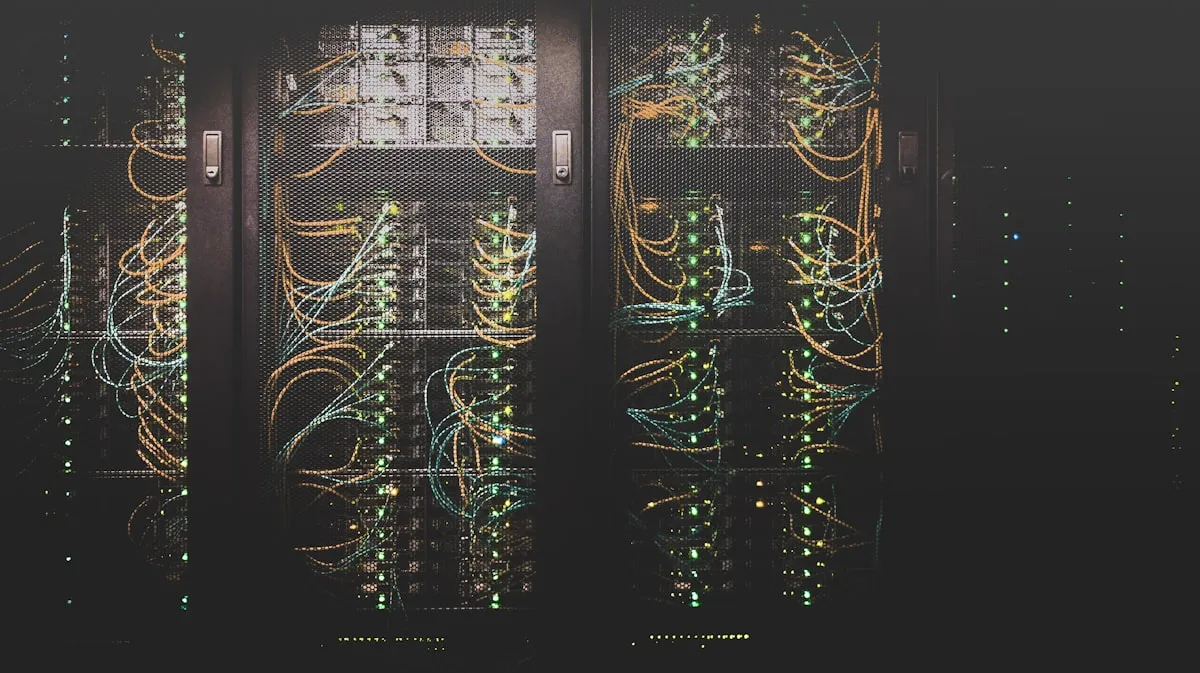
What Are Managed Network Services?
Managed network services means outsourcing the design, deployment, monitoring, and maintenance of your business network to a specialized provider. Instead of hiring in-house IT staff to handle your firewalls, switches, Wi-Fi access points, SD-WAN, and internet connections, a managed network services provider takes full responsibility for keeping everything running.
The concept isn't new — businesses have outsourced payroll, HR, and accounting for decades. Network management is following the same trajectory because modern business networks have become too complex and too critical for most companies to manage well on their own.
What's Actually Included
The term "managed network services" covers a broad range of capabilities. At a minimum, it typically includes:
- 24/7 network monitoring — Proactive detection of issues before they cause outages
- Firewall management — Security configuration, firmware updates, vulnerability patching, and threat monitoring
- SD-WAN / traffic management — Intelligent routing of traffic across multiple internet connections for performance and redundancy
- LAN switch management — VLAN configuration, QoS settings, and remote troubleshooting
- Wi-Fi management — Enterprise-grade wireless with guest network separation and seamless roaming
- Internet failover — Automatic switching to backup connections when primary internet goes down
- Single point of accountability — One provider responsible for everything, no finger-pointing between vendors
The critical difference between managed network services and simply buying equipment is the ongoing management. Anyone can install a firewall. The value is in someone monitoring it around the clock, applying security patches within hours of release, and knowing exactly how it interacts with every other device on your network.
Why Businesses Are Moving to Managed Network Services
The shift toward managed network services isn't driven by a single factor — it's the convergence of several realities that make self-managed networks increasingly impractical for small and mid-size businesses.
Network Complexity Has Outpaced Internal IT
Ten years ago, a business network was a router, a switch, and maybe a firewall. Today, a typical small business runs VoIP phones, cloud applications, video conferencing, guest Wi-Fi, VPN for remote workers, and multiple internet connections — all of which need to work together seamlessly.
Each of these systems has its own configuration requirements, firmware updates, security considerations, and failure modes. When something breaks at 2 AM, your office manager or part-time IT person isn't equipped to diagnose whether the problem is the firewall, the switch, the ISP, or a misconfigured QoS policy starving your VoIP traffic of bandwidth.
The Cost of Downtime Is Rising
As businesses become more dependent on cloud applications and internet connectivity, the cost of network outages escalates. When your network goes down, your phones go down. Your email stops. Your point-of-sale system freezes. Your employees sit idle.
The average cost of IT downtime for small businesses ranges from $10,000 to $50,000 per hour depending on the industry. Managed network services with proactive monitoring and automatic failover dramatically reduce both the frequency and duration of outages.
Cybersecurity Threats Require Constant Attention
Firewalls aren't "set it and forget it" devices. New vulnerabilities are discovered weekly. Ransomware attacks target small businesses specifically because they're less likely to have current security patches. A managed firewall service ensures your security is updated continuously — not whenever someone remembers to check.
Managed Network Services vs. DIY: An Honest Comparison
Let's be direct about when managed services make sense and when they don't.
When Managed Network Services Are Worth It
You don't have dedicated IT staff. If network management falls to someone whose primary job is something else — office manager, operations director, the owner — managed services are almost always the right call. Networks fail at inconvenient times, and troubleshooting requires specialized knowledge.
You rely heavily on VoIP and cloud applications. Voice quality and cloud application performance are directly tied to network configuration. QoS policies, traffic shaping, and proper VLAN segmentation make the difference between crystal-clear calls and calls that drop every time someone starts a large download.
You have multiple internet connections. If you're paying for backup internet or multiple ISPs, you need SD-WAN or traffic management to actually use them effectively. Without it, your backup connection just sits there until someone manually switches over — often hours into an outage.
You need to meet compliance requirements. Industries like healthcare (HIPAA), finance, and legal have specific requirements for network security, access controls, and audit logging. Managed services providers handle these configurations and provide documentation for compliance audits.
When You Might Not Need Managed Services
You have a competent in-house IT team. If you employ full-time network engineers who handle your infrastructure, adding a managed services layer may be redundant. Though even companies with IT teams sometimes outsource network monitoring because it requires 24/7 coverage.
You're a very small operation with simple needs. A five-person office with a single internet connection and no VoIP may not need the full managed services treatment. A quality router and a good ISP might be sufficient.
What to Look for in a Managed Network Services Provider
Not all managed network services are created equal. Here's what separates providers that deliver real value from those that just collect monthly fees:
End-to-End Accountability
The best managed network providers treat your entire network as one service. Internet, firewall, switches, Wi-Fi, VoIP — all managed as an integrated system by one team. When something goes wrong, there's no finger-pointing between your ISP, your firewall vendor, and your phone provider. One call, one team, one resolution.
This is what Network as a Service actually means — one provider taking 100% accountability for your network's performance.
Proactive vs. Reactive Support
Ask any potential provider: do you monitor and fix issues before we notice them, or do you wait for us to call? True managed services means proactive monitoring with automated alerts and technicians who resolve problems before they impact your business.
US-Based 24/7 Support
When your network goes down at midnight, you need someone who answers the phone immediately and understands your setup. Offshore support tiers and long hold times aren't acceptable when your business is losing money every minute.
Technology-Agnostic Approach
Providers locked into a single vendor's equipment may push solutions that fit their portfolio rather than your needs. Look for providers who select the best technology for each component of your network, regardless of brand.
The Components of a Managed Network
Understanding each component helps you evaluate what you're actually paying for:
Managed Firewall
Your firewall is the gateway between your network and the internet. A managed firewall includes enterprise-grade hardware, continuous firmware updates, vulnerability patching, VPN configuration for remote workers, and HIPAA-compliant security for regulated industries. The provider monitors traffic patterns and blocks threats in real time.
SD-WAN / Traffic Manager
SD-WAN technology intelligently routes your network traffic across multiple internet connections. It prioritizes critical applications (VoIP, video conferencing) over less time-sensitive traffic (file downloads, software updates). When one connection fails, SD-WAN automatically routes traffic through your remaining connections — often so seamlessly that users don't even notice.
Managed LAN Switches
Your LAN switches are the backbone of your internal network. Managed switch services include proper VLAN configuration to separate voice and data traffic, QoS settings to prioritize critical applications, and remote monitoring to detect failing ports or unusual traffic patterns before they cause problems.
Managed Enterprise Wi-Fi
Enterprise Wi-Fi is fundamentally different from consumer wireless. It includes commercial-grade access points, separate guest and business networks, seamless roaming between access points, and centralized management. Managed Wi-Fi ensures your wireless network is optimized, secure, and properly integrated with your wired infrastructure.
Fail-Safe Internet
Fail-safe internet combines multiple internet connections (fiber, fixed wireless, 5G, broadband) with automatic failover. If your primary connection goes down, traffic switches to your backup instantly. This isn't just having two internet connections — it requires SD-WAN or traffic management to make the failover actually work without manual intervention.
How Managed Network Services Pricing Works
Managed network services are typically priced as a monthly fee that covers equipment, monitoring, maintenance, and support. This predictable cost structure replaces the unpredictable expenses of break-fix IT, where you pay nothing until something breaks — and then face emergency repair bills.
Pricing varies based on:
- Number of locations — Each site needs its own equipment and monitoring
- Network complexity — More internet connections, more switches, more access points means more to manage
- Service level — Basic monitoring vs. full management with proactive optimization
- Internet services included — Some providers bundle internet connectivity with network management
The key question isn't "what does it cost?" but "what does it cost compared to the alternative?" Factor in the salary of IT staff, the cost of downtime, emergency repair charges, and the opportunity cost of your team spending time on network issues instead of their actual jobs.
Getting Started with Managed Network Services
Transitioning to managed network services doesn't have to be disruptive. A good provider will assess your current network, identify gaps and risks, and propose a migration plan that minimizes downtime.
At Tierzero, we've been providing managed network services since 1997. We treat your entire network as one service — internet, firewall, switches, Wi-Fi, and phones — with 24/7 US-based support and proactive monitoring. We don't just sell equipment and walk away. We take accountability for your network's performance, period.
If you're spending too much time dealing with network issues, or you're worried about what happens when your internet goes down at the worst possible moment, let's talk about what managed network services would look like for your business.
Managed Network Benefits
Why businesses choose managed network services
- 24/7 proactive monitoring catches issues before outages
- One provider accountable for your entire network
- Enterprise-grade security with continuous updates
- Predictable monthly costs replace emergency repair bills
- Expert configuration of QoS, VLANs, and traffic shaping
- Automatic failover keeps you online during ISP outages
Common Network Pain Points
Problems managed services solve
- Network goes down and nobody knows how to fix it
- VoIP call quality degrades during peak usage
- Firewall firmware hasn't been updated in months
- Backup internet exists but doesn't failover automatically
- Multiple vendors point fingers when something breaks
- IT issues pull staff away from their actual jobs
What's Included
Core components of managed network services
- Managed firewall with VPN and threat protection
- SD-WAN / Traffic Manager for intelligent routing
- Managed LAN switches with VLAN and QoS
- Enterprise Wi-Fi with guest network separation
- Fail-safe internet with automatic failover
- Single bill and single point of contact
Does Your Business Need Managed Network Services?
Step 1 of 4
Staffing & Expertise
Frequently Asked Questions
Managed network services means outsourcing the monitoring, maintenance, and management of your business network — including firewalls, switches, Wi-Fi, SD-WAN, and internet connections — to a specialized provider who handles everything 24/7.
Pricing varies based on the number of locations, network complexity, and services included. Managed network services are typically billed as a predictable monthly fee covering equipment, monitoring, maintenance, and support — replacing unpredictable break-fix IT expenses.
Managed network services provide 24/7 monitoring and specialized network expertise at a fraction of the cost of hiring full-time network engineers. A single network engineer costs $80,000-$120,000+ per year and can't provide around-the-clock coverage alone.
Many businesses with general IT support still benefit from managed network services because network infrastructure requires specialized expertise and 24/7 monitoring that general IT staff often can't provide. It depends on whether your current team has deep networking expertise.
A good provider assesses your current network, identifies gaps, and creates a migration plan that minimizes disruption. The transition typically involves installing managed equipment alongside your existing infrastructure and cutting over with minimal downtime.
Yes. Many managed network providers can integrate your existing internet connections into their management platform, adding monitoring, failover, and traffic optimization without requiring you to switch ISPs.
Ready to Get Started?
Talk to our experts about the right solution for your business.